

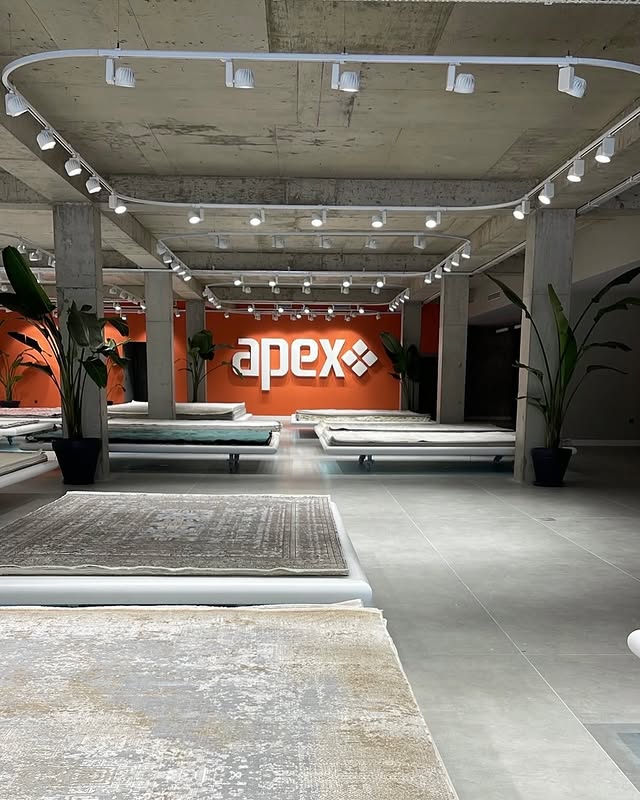
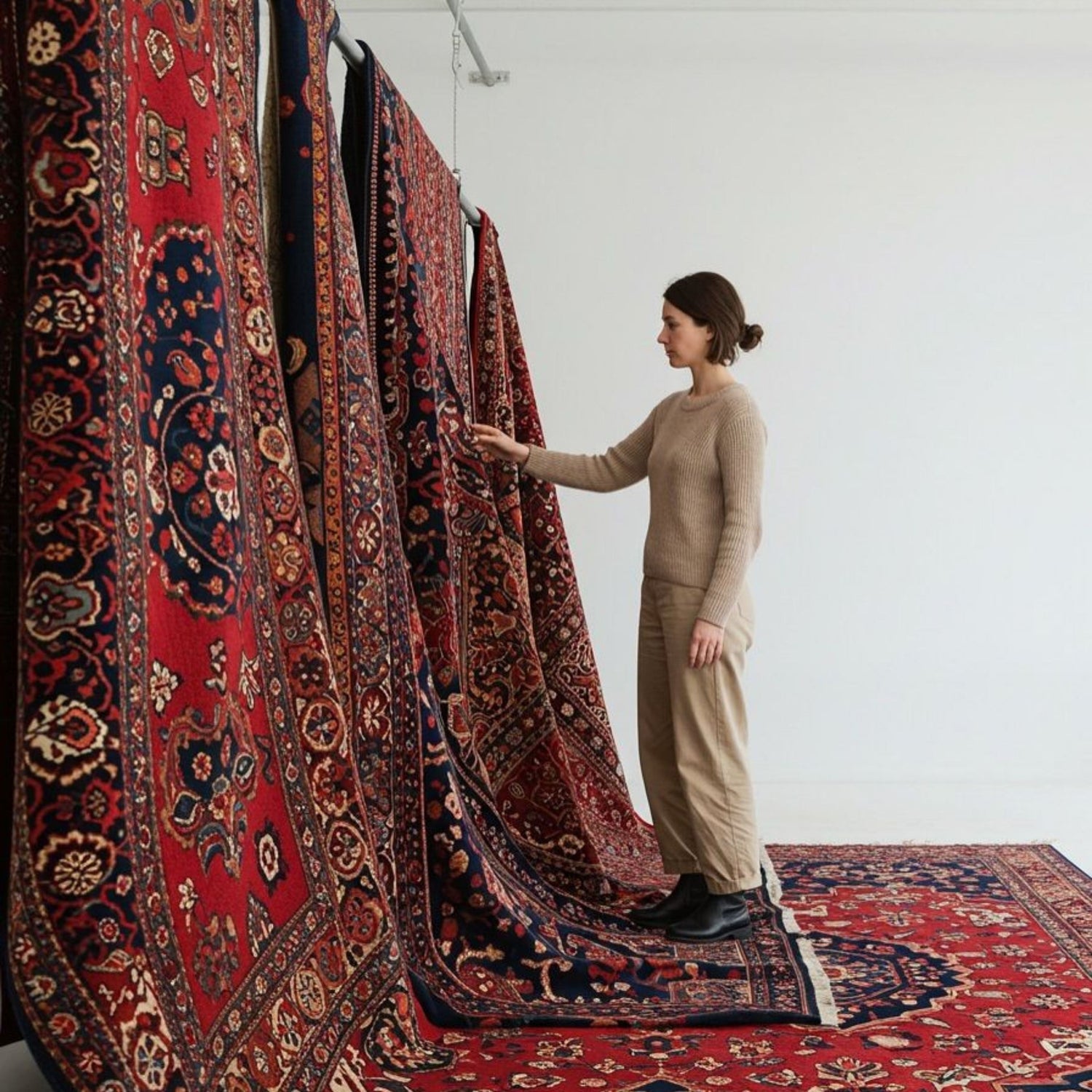
Rugs are one of the oldest and most artistic types of interior textiles. In addition to their functional benefits—such as providing insulation and a soft surface—they are ideal for reflecting your personal decor style. For this reason, when selecting rugs that reflect your personality and help you decorate your spaces as you wish, there are a few key points to keep in mind. For example, the size of the rug—regardless of whether it’s larger or smaller than the room’s dimensions—is important for ensuring it harmonizes with your furniture.
Rectangular, round, shag, low-pile, colorful, or plain—there are many different factors to consider when choosing a rug. Of course, when choosing a new rug, you can go with your personal taste first, but you should also keep in mind important factors like color and size coordination. This is because the rug’s size, shape, and how you place it in the seating area are key factors that determine the look of the rest of your living room. Here are some tips to help you choose a rug that’s exactly what you want—both visually and functionally!
Choosing the Right Size
One of the biggest mistakes people make when buying a rug is choosing the wrong size. That’s because buying a rug that fits your room perfectly saves you the hassle of having to replace one that doesn’t quite work. That’s why the biggest question on people’s minds when buying a rug is: “What is the right size for a rug?”
Rugs are a great way to highlight and personalize interior spaces. However, they must be compatible with the size of the area and other features (such as the placement and color of furniture). For this reason, it’s recommended that you determine the size first when selecting a rug.
The size of the room plays a significant role in rug selection, as the correct rug size depends on the room itself. For example, when choosing a rug for a living room, there are two ways to determine its size. The first is to arrange all the furniture in the room so that its outer edges are within the rug’s perimeter. Alternatively, you can place all the furniture on the rug so that the front legs are inside the rug and the back legs extend beyond it. On the other hand, a rug that covers the area where the dining table and chairs are located is the ideal size for a dining room. This creates a clear boundary that separates the dining area from the rest of the room.
While a large room can accommodate wide rugs, a smaller room looks better with narrow, short rugs. This is because rugs are the most eye-catching element on the floor. In small rooms, especially if there are many items covering the floor, you should choose a rug that leaves as much of the floor exposed as possible. For example, a round rug or a small kilim may be sufficient.
Quality Control
You want the rug you purchase to retain its vibrancy and shape for a long time. Therefore, you must also pay attention to the quality of the rugs. The quality of a rug is determined by its weave, weight, yarn type, knot density, and pile height. The texture of a rug varies depending on the weaving method but can be easily discerned by touch. Since the yarns used in the rug and the knots determine the density of the weave, you can tell how tightly or loosely woven the rug is by feeling it. On the other hand, the rug’s weight is also an important indicator of quality.
As the quality of the yarn used in a rug increases, so does its quality and, consequently, its performance. This is because a tightly woven carpet retains its shape for a long time. However, not every lightweight carpet is of poor quality, nor is every heavy carpet of high quality. This depends entirely on the type of yarn. For example, silk yarns are quite light but extremely durable. When it comes to pile height, production is based on the maximum pile height specified by the Turkish Standards Institute. For this reason, the Apex rug collections consist of rugs that comply with regulations and offer exceptionally high performance. This is because pile height increases the rug’s softness and helps provide better insulation. However, pile height is not a determining factor for summer rugs and jute-like rugs.
Material Selection
Rug materials include silk, cotton, wool, and natural and synthetic fibers. Each has its own unique advantages. For example, wool rugs are the most popular. You can choose from long-pile or short-pile rugs made of wool, cotton, or synthetic materials. A long-pile carpet instantly adds warmth and ambiance to your interior. It creates a warm atmosphere, especially in interiors dominated by clean lines and hard materials like steel, leather, and wood. The soft, high-quality, luxurious look of such a rug combines with modern elements to create an exciting contrast.
Cotton rugs are a child-friendly option, typically chosen for children’s rooms, teenagers’ rooms, and living rooms because they are easy to wash. Silk rugs feature vibrant colors and lend a luxurious look to any space. More summery options, such as jute rugs, give the environment a rustic feel. They are especially preferred in kitchens, entryways, balconies, and living rooms used for decorative purposes.
Color and Pattern Coordination
Rugs come in a wide variety of colors and patterns, so it’s important to ensure the colors complement the room’s existing decor. You can choose a solid-color rug that matches any color already in the room, or opt for a patterned rug featuring contrasting colors to add some vibrancy to a simple space. Color and pattern choices are entirely personal, but you should pay attention to contrast to avoid creating a cramped or oppressive atmosphere in your spaces. This is because using dark colors in a small area makes the space appear even smaller. Especially in small spaces, avoid complex patterns and make a point of choosing light, airy colors.
Ease of Cleaning
Cleaning rugs generally depends on the material, but the weaving method and certain treatments can also affect ease of cleaning. For example, wool rugs are quite suitable for year-round use, especially during the winter months. Because of the natural properties of wool (the oily layer on the wool), maintenance is quite easy—wool fibers do not attract dirt. This extends the rug’s lifespan and helps keep its color vibrant for a long time. However, it is also recommended that you make choices suitable for your rooms in terms of cleaning. This is because areas such as the entryway, kitchen, and dining room get dirty more quickly. Short-pile rugs or rugs made from natural materials like wool are easy to clean, making them a good choice for high-traffic areas. Machine-washable rug varieties are also among your options.
Durability and Frequency of Use
The durability of rugs depends on the quality of the yarn and the weave density. Therefore, when selecting a rug, you should first consider the characteristics of the area where you plan to lay the rug and how frequently it will be used. For areas subject to heavy use, machine-made rugs and rugs that are easier to clean are recommended. For example, kitchen rugs get dirty more quickly due to spills and splashes. In such spaces, it is recommended that you choose rugs specifically designed for the kitchen. On the other hand, in elegant areas like the living room that see less use, you can opt for large rugs made from luxurious materials.
Budget Planning
Budget planning is also an important factor to consider when selecting rugs. In addition to enhancing safety measures throughout your home, rugs can help reduce various expenses thanks to features such as thermal and sound insulation. Therefore, to ensure the rugs’ longevity, care must be taken to ensure that the pile height and weave density are appropriate for the specific space. For example, rugs with high pile and thick wool provide thermal insulation, helping to reduce your heating costs. Additionally, their thickness helps block out annoying noises that might come from the floor below. Synthetic rugs with these same features are also available. Since the Apex rug collection offers many rug models suited to your needs and budget, you can choose freely.
Allergen Control
If you have allergies to dust and dust mites, choosing the right carpet may be even more important for you. For this reason, you can opt for anti-allergenic and antibacterial rugs—models that do not affect indoor air quality—allowing you to decorate every area of your home exactly as you wish.
Safety Considerations
Another aspect to consider when choosing a rug is safety features. It is recommended to select rugs based on their intended use and the people sharing the space with you. For example, in a home with children, it is crucial that rugs do not slip. A non-slip backing is one of the essential features to look for, especially in kitchen and entryway rugs. On the other hand, antistatic rugs do not generate static electricity and can protect your body. Another safety-related point to consider when choosing rugs is the edge finishing. If the edge finishing is defective, it can cause the rugs to lift or curl. This can cause you to trip and fall.
If you want to decorate your spaces as you wish and own a long-lasting carpet by paying attention to these details when selecting rugs, you can check out the Apex rug collections, which feature models suitable for all needs.


Leave a comment
This site is protected by hCaptcha and the hCaptcha Privacy Policy and Terms of Service apply.