

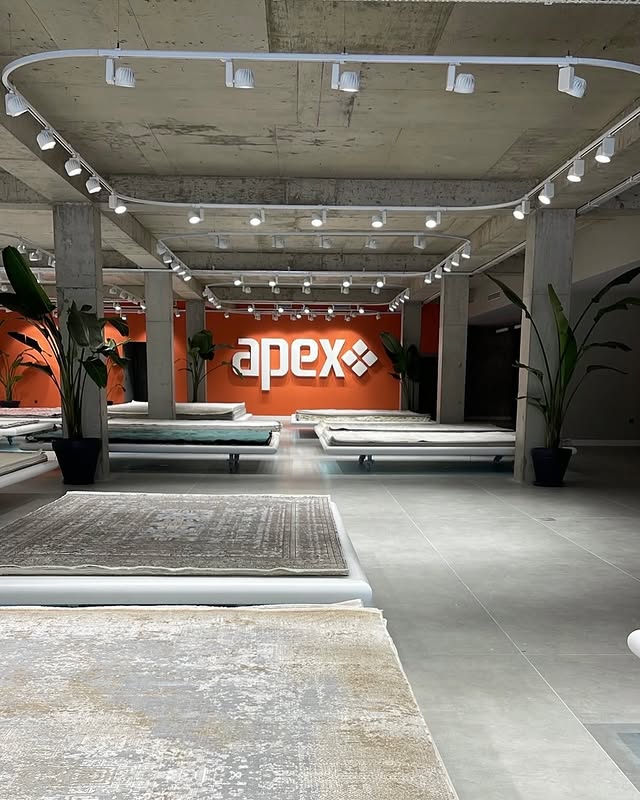
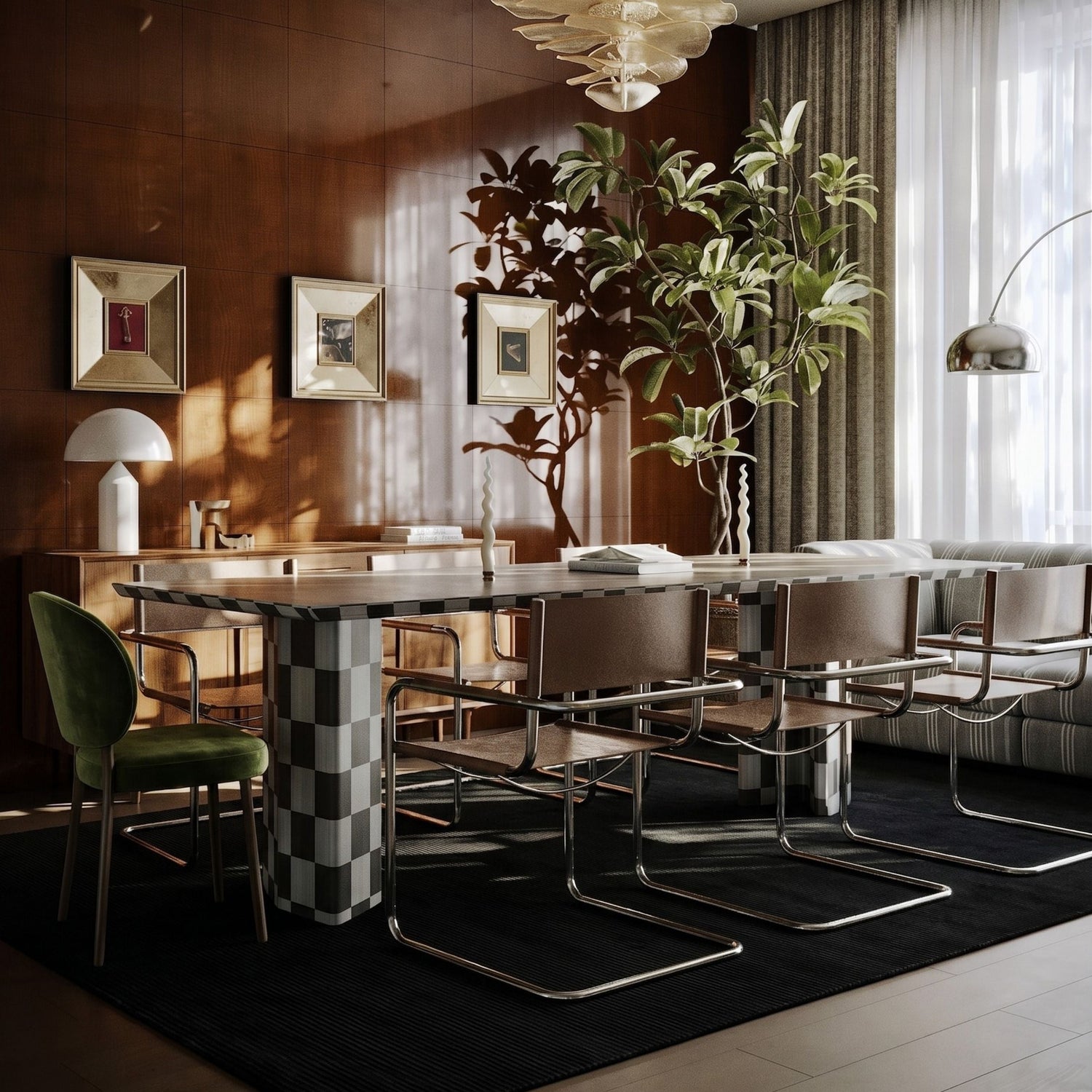
Choosing a rug based on the space is a technical process that requires decisions regarding material, texture, and size based on the room’s level of use, floor dimensions, and furniture layout. A fine-weave rug chosen for the living room may wear out in just a few months in the kitchen, while a thick, plush rug purchased for a child’s room can become a cleaning nightmare.
This guide covers how to choose the right rug for each room based on its specific conditions, including concrete measurement guidelines and material criteria.
What You Need to Know Before Choosing a Rug for a Room
Before making a room-specific selection, there are three fundamental criteria that apply to every room. If these criteria are ignored, a wrong decision becomes inevitable no matter which collection you look at.
- Traffic volume: How many people use the room, and how often? Living rooms and hallways have high traffic, while bedrooms have low traffic. In high-traffic areas, keep the pile height between 8–12 mm.
- Moisture and dirt risk: Kitchens, bathrooms, and entryways are prone to moisture and dirt. In these spaces, rugs with polypropylene or polyester surfaces and non-slip backing are mandatory. Wool and viscose lose their value quickly in these areas.
- Relationship Between Size and Furniture: If the rug’s size isn’t considered in relation to the furniture layout, it will either be too small and create an “island” effect or too large and narrow the walkways. Measure the floor footprint of the furniture before taking rug measurements.
How to Choose a Living Room Rug?
Two key decisions determine the selection of a living room rug: the rug’s position relative to the furniture and, consequently, its size. Once these two decisions are made correctly, color and pattern preferences take a back seat.
Size Guide: Inside or Outside the Sofa?
The size of the living room rug is determined by two different layout plans based on the sofa’s relationship to the rug.
Sofa legs on the rug: This creates a large, cohesive look that unifies the entire room. For a 3+3+1 sofa set, a rug measuring 240×330 cm or 200×300 cm is typically required.
Only the front legs on the rug: A smaller rug preserves the sense of spaciousness. For the same sofa set, 160×230 cm may be sufficient. Considering that living rooms in Turkey have an average floor area of 18–22 m², this second layout is the more commonly preferred approach.
No legs on the rug: A small, coffee-table-centered rug creates a modern and minimalist look. This approach is used to define the seating area in large living rooms over 80 m².
💡 Practical Tip: Before buying a rug, cut out pieces of newspaper or cardboard to simulate your desired size on the floor. Arrange the furniture on top and live with it for 1–2 days; this will make your decision much clearer.
Living Room Rug Material Selection
The intended use of the living room determines the choice of material. For a living room that hosts frequent guests, acrylic or polypropylene with high abrasion resistance is preferred. For a stylish, less-used living room, viscose surfaces offer a different visual depth with a silk-like sheen.
|
Material |
Appearance |
Durability |
Maintenance |
Ideal Use |
|---|---|---|---|---|
|
Polypropylene |
Matte, vibrant colors |
⭐⭐⭐⭐⭐ |
Easy |
High-traffic living room |
|
Acrylic |
Wool-like, plush |
⭐⭐⭐⭐ |
Medium |
Standard living room |
|
Viscose |
Shiny, luxurious feel |
⭐⭐⭐ |
Delicate |
Rarely used living room |
|
Wool |
Natural, warm |
⭐⭐⭐⭐ |
Dry cleaning |
Classic, long-lasting choice |
Color and Pattern Coordination
The color selection for the living room rug should be coordinated with the colors of the sofa and curtains. Three practical rules:
If the sofa has a pattern, choose a solid-colored rug. When two different patterns clash, it can be visually overwhelming.
A combination of light-colored flooring and dark-colored furniture makes the room appear more spacious.
A living room rug in cream or beige tones offers the most flexibility for redecorating; you won’t need to replace the rug when you change your furniture.
|
Sofa Color |
Recommended Rug Shade |
To Avoid |
|---|---|---|
|
Gray |
Cream, light blue, anthracite |
Dark brown |
|
Beige / Cream |
Earth tones, pastel green, terracotta |
Yellow-green |
|
Navy |
Cream, light gray, white |
Shades of blue |
|
Dark brown |
Beige, pastel, light gray |
Dark shades |
|
White / Light gray |
Any shade works; patterns can be chosen freely |
— |
Recommended Collections
Things to Consider When Choosing a Kitchen Rug
A kitchen rug is a choice that involves completely different priorities than a living room rug, as it is exposed to grease, water, and heavy foot traffic. Aesthetics come second; practicality comes first.
Choosing Easy-to-Clean Materials
The most high-performance rug materials for the kitchen are polypropylene and machine-woven synthetic rugs. These materials are resistant to water- and oil-based stains and can be wiped clean and dried. Hand-woven or wool rugs wear out quickly in the kitchen, and stains become permanent.
At Apex HALI, we’ve observed that the most common complaint about kitchen rugs is that they look nice but are too thin to withstand wet floors. For the kitchen, we always recommend a rug with a pile thickness of at least 5 mm and a polypropylene surface.
|
Material |
Stain Resistance |
Ease of Cleaning |
Lifespan (heavy kitchen use) |
|---|---|---|---|
|
Polypropylene |
⭐⭐⭐⭐⭐ |
Can be wiped with a damp cloth |
4–6 years |
|
Acrylic |
⭐⭐⭐⭐ |
Dishwasher safe |
3–5 years |
|
Cotton |
⭐⭐⭐ |
Machine wash |
2–3 years |
|
Wool |
⭐⭐ |
Dry cleaning required |
1–2 years (in the kitchen) |
|
Jute |
⭐ |
Must not come into contact with water |
Less than 1 year |
Why Is a Non-Slip Feature Essential?
The kitchen is the area where home accidents caused by slipping on wet floors occur most frequently. The underside of a kitchen rug should have a gel or latex non-slip backing; otherwise, a separate non-slip pad must be used.
⚠️ Critical Warning: Simply purchasing a rug with a non-slip backing is not enough. Over time, the backing can harden, reducing its non-slip properties. Lift the rug every 6 months to inspect the underside; any backing that has hardened or cracked must be replaced immediately.
Standard sizes for kitchen rugs:
In front of the counter: 60×120 cm or 60×150 cm
Kitchen island front: 80×150 cm
Under the dining table: Choose a size that extends 50–60 cm beyond each edge of the table (for example, a 200×300 cm rug for a 90×180 cm table)
The Right Rug for the Bedroom
The primary criterion when choosing a bedroom rug is comfort. That soft texture you feel when you step out of bed in the morning meets a different need than the aesthetic demands of the living room during the day. Foot traffic is low; therefore, you can make a comfort-focused choice without compromising on material durability.
Size: Under-Bed or Side Runner?
There are three basic layout options for the bedroom:
Large single rug (running under the bed): Covers the entire bottom and sides of the bed. A 200×300 cm rug is suitable for a 160×200 cm double bed. It should extend at least 60 cm from the head of the bed and at least 50 cm from each side.
Side runners: One narrow rug is placed on each side of the bed. Two runners measuring 80×200 cm are used. While this option is more economical, it also creates a symmetrical look in the room.
Foot of the bed rug: A 120×180 cm or 160×230 cm rug placed at the foot of the bed offers a minimalist and modern look. It adds both warmth and aesthetic appeal, especially on hardwood floors.
|
Layout |
Recommended Size (double bed) |
Advantage |
|---|---|---|
|
Large single rug |
200×300 cm |
Seamless, luxurious look |
|
Side runners (2 pieces) |
80×200 cm × 2 |
Economical, easy to clean |
|
Rug in front of the bed |
160×230 cm |
Minimal, modern look |
Texture and Material: Comfort First
Rugs with high pile (15–25 mm) in the bedroom provide a soft feel underfoot in the morning. However, keep in mind that high-pile rugs require regular maintenance and wear out quickly under heavy foot traffic. Since foot traffic in the bedroom is low, this disadvantage is largely negated.
Visually, the bedroom rug should be chosen to complement the color palette of the headboard, bedding, and curtains. Especially for beds with wooden headboards, earth tones and warm beige-cream rugs add cohesion to the room.
Children’s Room Rugs: Safety and Practicality
When selecting a children’s room rug, safety criteria take precedence over aesthetics. You can choose the color and pattern together with your child; however, you must determine the material and safety standards yourself.
Machine-Washable and Hypoallergenic Options
A children’s room rug will inevitably get stained with food, paint, and bodily fluids. For this reason, a machine-washable rug should be a mandatory requirement for a child’s room. Rugs that can be washed in household washing machines are generally produced in sizes of 80×150 cm and 120×180 cm.
Rugs treated with an anti-allergenic process reduce the buildup of bacteria and dust mites. This feature is particularly important for children with allergies or babies who play close to the floor.
💡 Expert Note: Don’t assume the label “anti-allergenic rug” is sufficient. If the manufacturer provides Oeko-Tex Standard 100 certification or a similar certification, the product is more reliable. For products without a certificate, this claim may simply be a marketing ploy.
A Non-Slip Backing Is Essential for Children’s Rooms
When children run around on the floor, a slipping rug poses a serious risk of falls. A non-slip gel or latex backing is mandatory for children’s room rugs; adhere to this rule regardless of the floor type.
Color and Pattern Choices
Choosing bright, stimulating colors (red, yellow, orange) for children’s room rugs is a common mistake. These colors create an overly stimulating effect in the room and make it difficult to calm the child, especially before bedtime. Medium-saturation tones—pastel blue, soft green, beige—create a child-friendly and calming environment.
When it comes to patterns, geometric or animal-themed designs are more functional than abstract ones; children can both enjoy the visual stimulation and use the rug as a playmate.
Choosing Hallway and Runner Rugs
Hallway rugs are chosen for the area of the home with the heaviest foot traffic. They are walked on dozens of times a day, and dirt and moisture are brought in from outside. For this reason, durability is the top priority for hallway rugs, while aesthetics come second.
Standard hallway widths range from 80 to 100 cm. Runner rugs come in standard widths of 80 cm and 100 cm, with lengths varying depending on the hallway. Leaving at least a 5–10 cm gap on both sides of the hallway creates a cleaner visual line and makes cleaning easier; the edge fringes of a rug installed without gaps wear out quickly.
Choose polypropylene or machine-woven acrylic for the material. A short pile height (5–8 mm) doesn’t trap dirt and is easy to clean with a vacuum cleaner. Avoid using long-pile or plush rugs in the hallway; they trap dirt and can obstruct doorways.
💡 Design Tip: A dark background color or a rug with a subtle pattern is advantageous for both hiding stains and creating a visual sense of length. Laying a runner with horizontal stripes in a long hallway makes the hallway appear shorter; vertical stripes, on the other hand, enhance the sense of length.
Office Rugs: Aesthetics or Durability?
When selecting office carpet, factors such as wheelchairs, heavy foot traffic, and a professional appearance should all be considered together. Selection criteria for a home office differ from those for a corporate office.
Home Office: Rug wears out quickly under a wheelchair. In this case, either use a clear floor protector mat under the chair or choose a rug with a short pile and tight weave. Solid-color or geometric-patterned machine-made rugs support concentration; rugs with large patterns or bright colors can be distracting.
Corporate office: Wall-to-wall carpet or carpet tiles are the most common choices. Modular carpet tiles allow for the partial replacement of worn sections, which provides a cost advantage in the long term. In a corporate setting, choosing carpet colors that match the company’s brand colors enhances brand consistency.
Rug Alternatives for Summer Homes and Balconies
Outdoor carpeting must be made from materials resistant to UV rays, moisture, and seasonal changes. Most indoor rugs fade and rot quickly when used outdoors.
Suitable materials for outdoor use include polypropylene, polyester, and jute-based weaves. These materials are water-repellent, dry quickly, and have high UV resistance. Artificial grass and flat-woven rugs are the most common choices for balcony use.
When selecting the size, opt for a rug that frames the seating area rather than covering the entire balcony. A 120×180 cm rug is generally sufficient for a two-person balcony seating set. A perforated or mesh-backed rug can be chosen to allow rainwater to drain underneath.
Rugs for the Entryway and Foyer
The entryway creates the first impression of the home and is also the area with the heaviest foot traffic and the most exposure to outdoor dirt. Considering the sand, wet footprints, and shoe dirt brought in from outside, the practicality of an entryway rug takes precedence over aesthetics.
Size: Standard entryway areas accommodate rugs ranging from 80×120 cm to 100×150 cm. To ensure the rug does not obstruct the door, leave at least a 1 cm gap between the rug and the bottom of the door.
Material: Polypropylene or short-pile acrylic rugs are the best choices. A low pile height (under 5 mm) traps dirt but is easy to clean. Scented and soft rugs should be avoided because they get dirty quickly in the entryway.
Color: Dark tones and patterns with small designs visually conceal stains and dirt. Light-colored entryway rugs significantly increase the maintenance burden.
Rugs by Room: Quick Comparison
|
Space |
Priority |
Recommended Material |
Standard Size |
Is a Non-Slip Surface Required? |
|---|---|---|---|---|
|
Living Room |
Aesthetics + Size Compatibility |
Acrylic, polypropylene, viscose |
160×230 cm |
No (optional) |
|
Kitchen |
Practicality + Hygiene |
Polypropylene |
60×120 cm |
Yes |
|
Dining table |
Proportional design |
Polypropylene, acrylic |
Extends 50 cm beyond the table |
Yes |
|
Bedroom |
Comfort |
Acrylic, viscose |
200×300 cm |
No |
|
Children's room |
Safety + hygiene |
Washable synthetic |
120×180 cm |
Yes |
|
Hallway |
Durability |
Polypropylene, acrylic |
80 cm wide |
Yes |
|
Office |
Durability |
Short-pile machine-tufted carpet |
Depending on the workspace |
No |
|
Balcony / summer house |
UV + water resistance |
Polypropylene, jute |
120×180 cm |
Yes |
Frequently Asked Questions
How do I choose a rug for my home? Rug selection depends on the room’s intended use. First, assess the room’s foot traffic, moisture risk, and size. Aesthetics and size are priorities for the living room; practicality and a non-slip backing for the kitchen; comfort for the bedroom; and washability for the children’s room.
How many square meters should I choose for a living room rug? For a 3+3+1 sofa set, the minimum size is 160×230 cm (3.7 m²), while 200×300 cm (6 m²) is the most common choice. If you want all the sofa legs to rest on the rug, a size of at least 240×330 cm is required.
Does a kitchen rug slip, and how can this be prevented? Rugs with a non-slip gel or latex backing are the safest option for the kitchen. You can place a silicone non-slip pad under rugs without a non-slip backing. Check the pad every six months; pads that have hardened and lost their effectiveness should be replaced.
What rug features are essential for a child’s room? Washability and a non-slip backing are two essential criteria for a child’s room. Antibacterial or Oeko-Tex certified products provide extra safety. Long-pile rugs increase the buildup of dirt and bacteria in a child’s room; a pile height of 8–12 mm is ideal.
Should the bedroom rug extend under the bed? It is not mandatory; however, if you’re using a single large rug, having it extend at least 30 cm under the bed creates visual cohesion. If you’re using only side runners, 80×200 cm runner rugs starting from where the bed ends are sufficient.
If I have a pet, which type of carpet should I choose for which room? In homes with pets, short-pile (5–10 mm), dark or medium-toned, machine-washable rugs are recommended. Polypropylene surfaces that don’t trap pet hair and don’t build up static electricity are the most practical option. See also: Using Rugs in a Home with Cats
Common Mistakes in rug selection
The most common mistakes made when choosing a rug based on the room are as follows:
1. Choosing a rug that’s too small: Buying a small rug out of fear that “it will look too big” is the most common mistake. A small rug actually makes the room appear even smaller; it gets lost under the furniture and creates an “island” effect.
2. Choosing the material based on aesthetics rather than the room’s function: Handwoven or viscose rugs, while visually appealing, wear out quickly in the kitchen and children’s rooms. Every rug collection is designed for a specific use.
3. Skipping the non-slip backing check: A rug may appear non-slip, but the underside can harden over time. Regular checks are essential, especially in the kitchen, in front of the bathroom, and in children’s rooms.
4. Making a decision based solely on a photo: Colors do not appear true to life in digital images. If possible, request a physical fabric sample of the rug or opt for products with a return guarantee.
5. Ignoring pile height: Long pile provides comfort but traps dirt and makes cleaning with a robot vacuum more difficult. Short pile is essential in homes with pets, children, or heavy foot traffic.
How to Choose a Rug for Your Home? Rug selection varies depending on the room’s intended use: in the living room, size and aesthetics are key; in the kitchen, stain resistance and a non-slip backing are essential; in the bedroom, comfort is a priority; and in the children’s room, washability and safety take precedence. Determine the material and size separately for each room.
Which rug is best for which room? For the living room, a medium-to-large rug with an acrylic or viscose surface; for the kitchen, a polypropylene rug with a non-slip backing; for the bedroom, a soft-textured rug or runner; and for the children’s room, a washable and hypoallergenic rug is appropriate. For hallways and balconies, durable short-pile or outdoor rugs should be preferred.
Conclusion
Choosing a rug based on the space is not a single decision but requires a separate evaluation for each room. What works for the living room may not work for the kitchen; what’s ideal for the bedroom may not be sufficient for the hallway. Once you’ve determined each space’s foot traffic, moisture risk, and dimensions, deciding on materials and aesthetics becomes much easier.
Which room’s rug are you looking for? You can filter our collections by room and receive free measurement and selection advice from our experts.
Explore All Collections | Let Us Call You | Rug Measurement Guide | Rug Types Guide

Leave a comment
This site is protected by hCaptcha and the hCaptcha Privacy Policy and Terms of Service apply.